
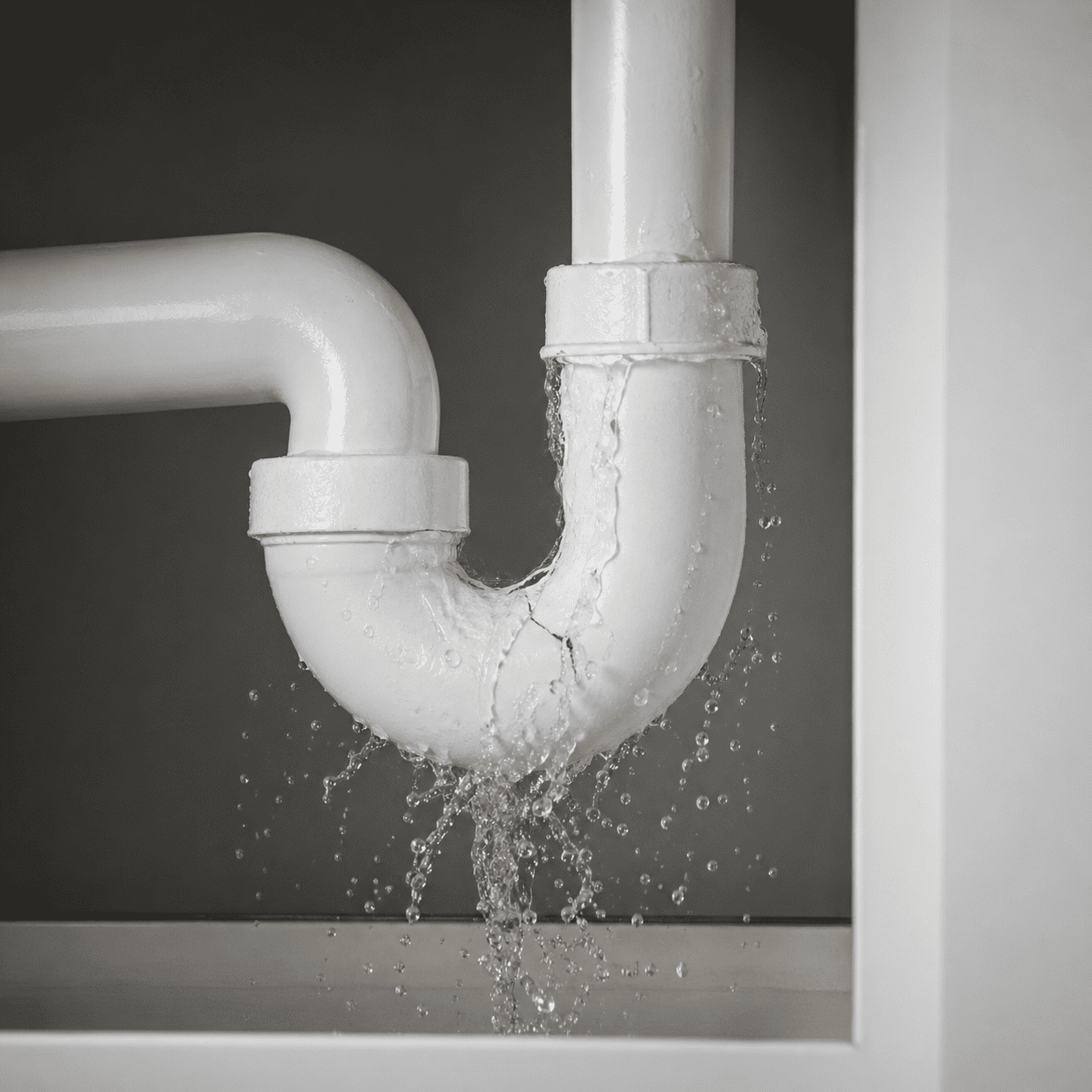
Few home problems are as disruptive as burst water pipes. What starts as a small crack or pressure issue can quickly turn into flooding, property damage, and expensive repairs. It is no surprise that insurance providers consistently report water damage from plumbing failures as one of the most common household claims, especially during colder months when pipes are bursting more frequently.
For many homeowners, the issue seems to come out of nowhere. One day everything works fine, and the next, water is leaking through ceilings or pooling on floors. In reality, pipes rarely fail without warning. Temperature changes, pressure buildup, and long-term wear all play a role in weakening the system over time.
Understanding what causes pipes to fail is the first step toward preventing it. This guide explains “how does a pipe burst”, the most common reasons behind the problem, and what you can do to protect your home. It also covers early warning signs, practical prevention methods, and the steps to take if a pipe fails, so you can act quickly and limit damage.

How Does a Pipe Burst?
In most cases, a burst occurs when internal pressure exceeds what the pipe can safely handle.
One of the most common causes is freezing. When water inside a pipe freezes, it expands by roughly 9%. This expansion creates intense pressure within the pipe, especially if the ice forms a blockage. As more water freezes and expands, the pressure builds between the blockage and the closed tap. Eventually, the pipe can no longer withstand the force, leading to a crack or complete rupture.
However, freezing is not the only reason pipes are bursting. High water pressure can also cause failure over time. Pipes are designed to handle a certain pressure range, but if that limit is exceeded consistently, it weakens joints and pipe walls. Small stress fractures can develop, which may suddenly give way.
There are also cases where pipes burst due to gradual deterioration. Corrosion, material fatigue, and poor installation can all reduce the strength of the plumbing system. In these situations, the pipe may fail without any extreme temperature or pressure event.
It is also worth noting that pipes often do not burst exactly where the ice forms. The highest pressure typically builds in a different section of the pipe, which is why damage can appear in unexpected places.
Understanding these mechanisms makes it clear that a burst pipe is rarely a random event. It is usually the result of pressure, temperature, and structural weakness coming together at the wrong time.
Common Causes of Burst Water Pipes
Understanding why burst water pipes happen makes it easier to prevent them. While freezing is the most talked-about reason, several factors can lead to pipes failing.
Freezing Temperatures
Cold weather is the leading cause of pipes bursting, particularly in winter. When water freezes, it expands by around 9%, putting pressure on the pipe walls. Pipes in lofts, garages, basements, and exterior walls are most vulnerable because they are exposed to lower temperatures. Even a short cold spell can be enough to trigger a failure if the pipes are not insulated.
High Water Pressure
Water systems are designed to operate within a safe pressure range, usually between 40–60 psi. When pressure rises above this, it places constant stress on pipes and joints. Over time, this weakens the structure, increasing the likelihood of a sudden burst.
Corrosion and Aging Pipes
Older plumbing systems are more prone to damage. Metal pipes, in particular, can corrode from the inside out, reducing their strength. As the material thins, it becomes more susceptible to cracks and leaks, eventually leading to a burst.
Poor Installation or Faulty Joints
Improper fittings, loose connections, or low-quality materials can all create weak points in the system. These issues may not be obvious at first but can fail under pressure or temperature changes.
External Factors
Ground movement, construction work, and even tree roots can damage underground pipes. In some cases, pipes may also be accidentally struck during home improvements, leading to hidden damage that worsens over time.
Which Pipes Are Most at Risk?
Not all plumbing is equally vulnerable. Certain locations and materials increase the chances of experiencing burst water pipes, especially during extreme weather or pressure changes.
Pipes located outside the insulated areas of the home are at the highest risk. This includes those in lofts, garages, basements, and along exterior walls. These areas are more exposed to temperature drops, making freezing more likely. A “burst water pipe outside house” is particularly common during winter, as external pipes lack protection and are directly exposed to the elements.
Older pipe materials also pose a higher risk. Galvanized steel and iron pipes tend to corrode over time, weakening their structure. Even copper pipes, while more durable, can still fail if exposed to repeated stress or freezing conditions. Modern plastic pipes are generally more flexible, but they are not immune to bursting under extreme pressure or cold.
Another factor is pipe diameter and usage. Smaller pipes can freeze more quickly because water inside them cools faster. Pipes that are rarely used, such as those connected to outdoor taps, are also more vulnerable because stagnant water freezes more easily.
Homes with poor insulation or inconsistent heating tend to experience more issues. When indoor temperatures drop significantly, even internal pipes can be affected.
Identifying which parts of your plumbing system are most at risk allows you to take targeted steps to protect them before problems arise.
Warning Signs of Frozen or Failing Pipes
Most cases of burst water pipes are not as sudden as they seem. There are usually early warning signs that something is wrong, especially when freezing or pressure issues are involved. Spotting these signs early can help you act before serious damage occurs.
1. One of the first indicators is reduced or no water flow. If you turn on a tap and only a trickle comes out, or nothing at all, it may mean the pipe is partially or completely blocked by ice. This is often an early stage before pipes are bursting, giving you a short window to intervene.
2. Another clear sign is frost forming on exposed pipes. If you can see visible ice or condensation freezing on the outside, the water inside is likely at risk of freezing as well. This is common in unheated areas such as lofts, garages, or near external walls.
3. You may also hear unusual noises coming from your plumbing system. Banging, gurgling, or whistling sounds can indicate pressure buildup or trapped air caused by partial blockages. These sounds often appear just before a failure.
4. In some cases, strange smells from taps or drains can develop. This happens when ice blocks the pipe, forcing odors back into the home instead of allowing them to flow through the system normally.
5. Early leaks or damp patches are another warning sign. Small cracks may form before a full rupture occurs, leading to minor water seepage. If left unchecked, these weak points can quickly turn into a major burst.
How to Prevent Pipes from Bursting?
Containing an escape of water from burst pipes is far easier and cheaper than dealing with the damage afterward. Most issues arise from exposure to cold, pressure buildup, or lack of maintenance, all of which can be managed with a few practical steps.
Insulating Pipes
If pipes are bursting, proper insulation is one of the most effective ways in cold weather. Pipe lagging helps retain heat and reduces the risk of freezing, especially in exposed areas like lofts, garages, and external walls. Even basic insulation can make a noticeable difference during temperature drops.
Keeping Heating Consistent
Maintaining a steady indoor temperature is crucial. Letting your home get too cold, even overnight, increases the risk of freezing pipes. Keeping the heating on at a low level, particularly during winter, helps protect the entire plumbing system.
Allowing Water Movement
During extreme cold, allowing taps to drip slightly can prevent pressure buildup. Moving water is less likely to freeze, which reduces the chances of a blockage forming inside the pipe.
Sealing Gaps and Drafts
Cold air entering through gaps around windows, doors, or pipe entry points can quickly lower temperatures around pipes. Sealing these openings helps maintain a warmer environment and protects vulnerable sections.
Monitoring Water Pressure
Excessive pressure is another common cause of burst water pipes. Installing a pressure regulator and keeping levels within the recommended range (typically 40–60 psi) reduces stress on the system and prevents long-term damage.
Taking these preventive measures not only reduces the risk of a burst but also improves the overall reliability of your plumbing system.
What to Do If a Pipe Bursts?
When burst water pipes occur, quick action makes a significant difference. The faster you respond, the more you can limit water damage and repair costs.
Turn Off the Water Supply
The first step is to shut off the main water supply using the stopcock. This immediately stops more water from flowing into the damaged pipe. Every homeowner should know where this valve is located before an emergency happens.
Drain the System
Once the supply is off, open all taps to drain the remaining water from the pipes. This reduces internal pressure and helps prevent further leakage.
Turn Off Electricity if Needed
If water is near electrical outlets, appliances, or wiring, switch off the electricity at the main fuse box. This reduces the risk of electrical hazards.
Contain the Damage
Use towels, buckets, or any available materials to control water spread. Even temporary measures can help protect flooring, furniture, and walls from further damage.
Call a Professional Plumber
Temporary fixes may slow the leak, but a permanent repair requires a qualified plumber. Acting quickly ensures the issue is resolved properly and reduces the chance of repeat problems.
Dealing with a Burst Water Pipe Outside House
A burst water pipe outside a house can be more difficult to manage because it is often exposed and harder to access. However, the basic response remains similar.
Start by turning off the internal water supply. If the pipe is connected to an external system, such as a garden line, shut off the relevant valve if available. This prevents continuous water loss.
Next, try to identify the location of the leak. Outdoor pipes may burst due to freezing temperatures, ground movement, or physical damage. If the pipe is frozen, avoid using open flames or extreme heat to thaw it, as this can worsen the damage.
Clearing the surrounding area can help you assess the situation more easily. In colder conditions, insulating the exposed pipe temporarily may prevent further freezing while you wait for repairs.
In some cases, especially where the issue affects shared or public water lines, you may need to contact your local water authority in addition to a plumber.
Because outdoor pipes are more exposed, they are also more vulnerable to repeat issues. Once repaired, it is worth investing in proper insulation or protective coverings to reduce future risk.
Insurance Claims for Burst Water Pipes
Damage caused by burst water pipes is one of the most common reasons homeowners file flood insurance claims. Most standard home insurance policies cover sudden and unexpected water damage, but the outcome often depends on how the issue occurred and how quickly you respond.
If a pipe bursts due to freezing or pressure, insurers typically expect that reasonable precautions were in place. This includes maintaining heating during cold weather and ensuring pipes are properly insulated. If it is clear that neglect contributed to the problem, the claim may be reduced or even denied.
When trying to make a successful water leak claim, documentation is essential. Take clear photos and videos of the damage as soon as it is safe to do so. Keep records of repair work, plumber reports, and any emergency costs. The more evidence you provide, the smoother the process tends to be.
It is also important to act quickly. Delays in reporting the issue or preventing further damage can affect how the claim is assessed. Many insurers require homeowners to take immediate steps to limit water spread, such as shutting off the supply and arranging repairs.
Understanding your policy details in advance helps avoid surprises. While most policies cover the damage caused by water, they may not always cover the cost of fixing the pipe itself, especially if it failed due to wear and tear.
Final Thoughts: Protecting Your Home from Costly Pipe Damage
Dealing with burst water pipes is something most homeowners hope to avoid, yet it remains one of the most common and expensive household issues. Whether caused by freezing temperatures, pressure buildup, or gradual wear, the impact can be immediate and disruptive.
The key takeaway is that these problems rarely happen without reason. Understanding early warning signs gives you a clear advantage. Simple steps like insulating pipes, maintaining steady heating, and monitoring water pressure can significantly reduce the risk of pipes bursting during colder months.
When a problem does occur, quick action is critical. Shutting off the water supply, limiting damage, and calling a professional can prevent a manageable issue from becoming a major repair.
In the end, prevention and awareness are far more effective than dealing with the aftermath. With the right approach, you can protect your home, reduce costs, and keep your plumbing system running reliably throughout the year.
How Property Claim Assist Can Help You Make a Burst Pipe Claim
Property Claim Assist are the UK’s leading independent loss assessors who work on your behalf, not the insurer’s. We handle your leak insurance claim professionally, ensuring all damage is properly identified and your settlement reflects the true cost of repairs. If you instruct our trusted contractors to carry out the work, our service costs you nothing.
To let us help you with your burst pipe claim, call us on 0333 577 2720 or request a callback.


