
It usually starts with a small, easy-to-ignore puddle in front of the washing machine. You wipe it up, run the next wash, and think nothing of it. Weeks later, the laminate starts to swell, a dark patch appears on the ceiling below, and a faint smell of damp creeps in.
By then, that ‘little’ washing machine leak from the bottom may have already damaged your floors, walls and even the structure of your home, and your insurer might be getting ready to ask whether it’s really covered.
This guide walks you through what’s really happening when your washing machine is leaking from underneath, how to find the cause fast, the immediate actions that can stop a minor leak from becoming a major disaster, and what to do if you need to make a water damage insurance claim.
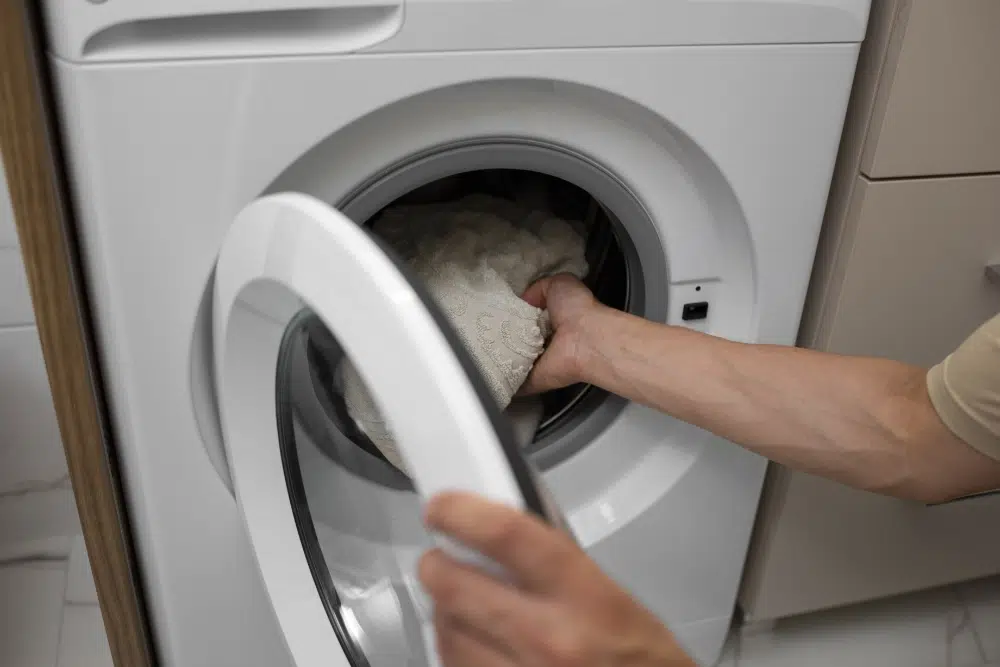
Why Is My Washing Machine Leaking from the Bottom?
When you notice water pooling beneath your washing machine, identifying the source is the first step to solving the problem. Here are the most common culprits behind a washing machine leaking from the bottom:
1. Damaged or Loose Drain Hose
The drain hose carries wastewater from your machine to your home’s drainage system. If this hose becomes loose, cracked, damaged, or blocked by a clogged drain hose, water can escape and pool underneath the appliance. Check where the hose connects to both the machine and the drain, as loose connections are a frequent cause of a leaky washing machine.
2. Faulty Door Seal or Gasket
Front-loading washing machines have a rubber door seal that prevents water from escaping during the wash cycle. Over time, this seal can deteriorate, tear, or accumulate debris like hair and detergent residue. When compromised, water leaks out during the cycle, often appearing to come from the bottom as it runs down the front of the machine.
3. Worn-Out Pump or Pump Seal
Modern washing machines rely on a dedicated drain pump to force wastewater out of the drum and into your home’s plumbing. When this water pump becomes worn, blocked or begins to fail, water may leak from the bottom of the machine, often during the drain or spin cycle. Damage to the main pump or pump seal can produce the same symptoms, especially in older appliances.
4. Cracked or Damaged Tub
While less common, the inner or outer tub of your washing machine can develop cracks, especially in older models or after impact damage during moving. A cracked tub seal will leak water directly underneath the machine, and unfortunately, this usually means you’ll need a replacement machine rather than a repair.
5. Overloaded Machine or Excessive Detergent
Using too much detergent creates excessive suds that can overflow from the washing machine drum and escape through gaps in the machine’s casing. Similarly, overloading the machine puts strain on seals and can force water out during the spin cycle. Both scenarios can make it appear as though your washing machine is leaking from underneath.
6. Faulty Water Inlet Valve
The inlet valve controls the flow of water into your machine. If this washer inlet valve fails or the connection becomes loose, water can leak out before it even reaches the drum, pooling at the bottom of the appliance.
7. Damaged Internal Hoses
Inside your washing machine, various hoses transport water throughout the different cycles. These washing machine hoses can deteriorate over time, develop cracks, or become disconnected, causing leaks that appear at the base of the machine.
Immediate Steps When You Discover a Leak
Finding your washing machine leaking from the bottom requires quick action to prevent further damage:
- Turn Off the Machine Immediately – Stop the current cycle and switch off the power at the socket. Never attempt to move or investigate a leaking electrical appliance while it’s still connected to power.
- Turn Off the Water Supply – Locate the shut-off valve behind or near your washing machine and turn off the water supply to prevent additional flooding.
- Remove Standing Water – Use towels, a mop, or a wet vacuum to remove any pooled water as quickly as possible. The longer water sits, the more damage it causes to flooring and subflooring.
- Document Everything – Take photos and videos of the leak, the water damage, and the washing machine itself. This documentation is crucial if you need to make a water leak insurance claim.
- Move Nearby Items – Relocate any belongings, furniture, or stored items away from the affected area to prevent further damage.
- Check for Damage Beyond the Immediate Area – Water can travel quickly through flooring, into walls, and even to rooms below. Look for damp patches, discolouration, or signs of water seeping into other areas.

DIY Troubleshooting: Can You Fix It Yourself?
For those comfortable with basic appliance maintenance, here’s how to diagnose your washing machine leak:
Visual Inspection
Start with the easiest checks first. With the machine pulled away from the wall (and unplugged), examine:
- All external hoses for cracks, wear, or loose connections
- The washing machine door seal for tears, gaps, or debris buildup
- The detergent drawer for blockages that might cause overflow
- The base of the machine for obvious signs of damage
Run a Test Cycle (Empty)
If you can’t immediately identify the problem, run an empty wash cycle and watch carefully to see when and where the water appears. This can help you pinpoint whether it’s a fill issue, a drain issue, or related to the spin cycle.
Check the Pump Filter
Most modern washing machines have an accessible pump filter at the front bottom panel. If this becomes clogged, it can cause drainage issues that lead to leaks. Open the filter carefully over a shallow container, as water will likely drain out.
When to Call a Professional
While some washing machine leaks are simple fixes, others require professional expertise:
- The leak persists after tightening connections and cleaning seals
- You suspect internal damage to the pump or tub that may be causing an internal leak
- The machine is still under warranty
- You’re uncomfortable working with electrical appliances
- The leak has already caused significant water damage
The Hidden Risk: Water Damage to Your Home
What starts as a leaking washing machine in the laundry room can quickly escalate into a serious property issue. Even a small, slow leak can cause:
- Warped or damaged flooring (laminate, hardwood, and vinyl are particularly vulnerable)
- Mould growth behind walls or under flooring
- Structural damage to subflooring and joists
- Damage to ceilings in rooms below
- Ruined skirting boards and wall plaster
Many homeowners don’t realise the full extent of the damage until weeks or even months later, when mould appears, or floors begin to buckle. By that point, what seemed like a minor leak has become a costly disaster.
Is a Washing Machine Leak Covered by Home Insurance?
This is where things get complicated. Most home insurance policies include cover for “escape of water,” which can include damage from appliance leaks. However, insurance companies often dispute these claims based on:
- Maintenance issues: Insurers may argue that the leak resulted from poor maintenance or wear and tear
- Gradual damage: If the leak was slow and should have been noticed earlier, they might deny the claim
- Delayed reporting: Failing to report the leak and resulting damage promptly can jeopardise your claim
The reality is that water leak insurance claims are among the most commonly disputed claims in the UK. Insurance companies employ loss adjusters whose job is to minimise pay-outs, not to ensure you receive fair compensation for your damage.
Don’t Face Your Insurer Alone
If your washing machine leak has caused significant damage to your property, you shouldn’t have to navigate the complex claims process on your own. This is where expert support makes all the difference.
At Property Claim Assist, we’re independent loss assessors who work exclusively for homeowners, not insurance companies. We assess the full extent of your damage, gather the proper documentation your insurer requires, and negotiate on your behalf to secure the maximum settlement you’re entitled to.
We’ve seen countless cases where homeowners accepted initial offers that didn’t even cover half the actual repair costs. We’ve also seen valid claims denied because homeowners didn’t know how to properly document the damage or respond to insurer queries.
Our team takes the stress off your shoulders by:
- Conducting thorough damage assessments
- Coordinating with repair specialists
- Handling all communication with your insurance company
- Ensuring no aspect of your damage is overlooked
- Fighting for the full settlement you deserve
The sooner you involve professionals who understand what insurers require, the better your chances of a successful claim outcome.
Preventing Future Washing Machine Leaks
Once you’ve dealt with the immediate problem, take these steps to prevent future leaks:
- Regular Maintenance: Check hoses, seals, and connections every six months
- Use the Right Detergent: Use the correct type and amount for your machine
- Don’t Overload: Follow manufacturer guidelines for load capacity
- Level Your Machine: An unlevel washing machine puts strain on seals and components
- Replace Hoses Every 5 Years: Even if they look fine, rubber hoses deteriorate over time
- Clean the Pump Filter: Do this every few months to prevent drainage issues
What to Do If Water Damage Has Already Occurred
If you’re reading this after the fact and already have water damage from a washing machine leak, time is critical:
- Stop the source and remove standing water immediately
- Document everything with photos and videos
- Contact your insurance company to report the incident
- Avoid making premature repairs that could affect your claim
- Get professional help from loss assessors who can maximise your settlement
Don’t let your insurer minimise the damage or deny your rightful claim. Contact Property Claim Assist to begin your claim the right way, with experts who are firmly on your side.
Don’t Let a Small Leak Become a Big Insurance Nightmare
A washing machine leaking from the bottom is rarely “just a bit of water on the floor”. That small puddle you’ve wiped up once or twice could already be soaking into subfloors, creeping into wall cavities and quietly setting you up for warped flooring, mould growth and expensive structural repairs.
Left unchecked or poorly documented, the damage can snowball while your insurer questions how and when it all started.
If the leak has already damaged your floors, walls or belongings, the way you handle things now can make the difference between a rejected claim and a settlement that actually covers the true cost of putting your home right. Insurers routinely challenge “escape of water” claims on the basis of wear and tear, lack of maintenance or gradual damage, and many homeowners only realise this once it’s too late to fix the paperwork.
You don’t have to take that risk, and you don’t have to deal with it on your own.
Property Claim Assist are independent loss assessors who work only for you, not the insurance company. We:
- Assess the full extent of the water damage, including what you can’t easily see
- Help you properly document the leak and its impact on your home
- Handle the back-and-forth with your insurer and their loss adjuster
- Fight to ensure your settlement reflects the real cost of repairs
If you’re dealing with a washing machine leak or already facing a dispute over water damage, now is the time to get expert help on your side.
Don’t wait for floors to buckle, mould to spread or an insurer to tell you “no”.
Get in touch with Property Claim Assist today for a no-obligation consultation and give your claim the best possible chance of success.


