
You might think your rental property is a safe bet, tenants pay the rent, the mortgage gets covered, and your investment grows quietly in the background. But what if a fire rips through the kitchen, a tenant floods the bathroom, or someone gets injured on your stairs and takes you to court?
Far too many landlords assume their standard home insurance will protect them in situations like these. The reality? It won’t. And the discovery usually comes at the worst possible time, after disaster has already struck.
That’s why understanding insurance for rental property (often called landlord insurance) isn’t just another item on your to-do list. It’s the safety net that stands between you and a financial nightmare that could wipe out years of investment in a matter of hours.
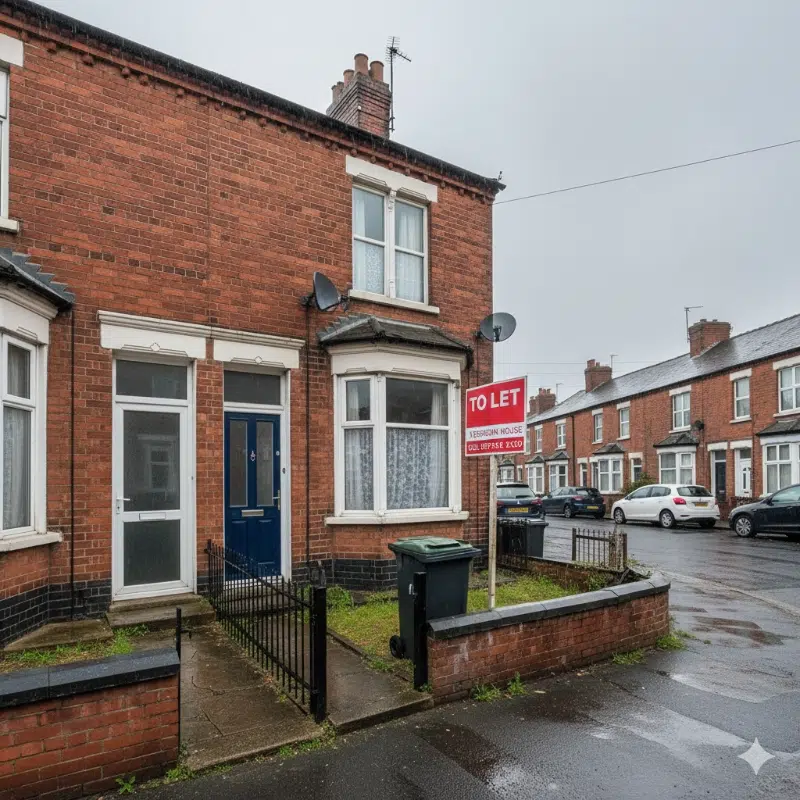
What Is Rental Property Insurance?
Rental property insurance, more commonly known as landlord insurance cover, is a specialist type of cover designed for one very important reason: your property is not just a home, it’s a business investment. And like any business, it carries risks.
Unlike standard home insurance, which is built for owner-occupied houses, rental property insurance recognises the unique dangers of letting to tenants. It doesn’t just think about bricks, mortar, and fixtures, it considers the people living inside, the income you depend on, and the potential liabilities that can fall directly on your shoulders.
Here’s what it usually covers:
In short, home insurance isn’t designed to cope with these risks, and insurers know it. In fact, many standard policies will outright refuse a claim if they find out you’ve been renting your property without the correct cover.
That means a simple assumption, “my home insurance should be enough”, could leave you exposed to tens of thousands of pounds in unexpected costs.
Why Standard Home Insurance Falls Short
It’s a common and costly mistake: landlords assume their standard home insurance will cover them once tenants move in. Unfortunately, this couldn’t be further from the truth. Home insurance is designed for properties that you live in yourself, not for properties rented out to others.
Here’s the uncomfortable reality: most insurers will outright reject claims if they discover a property was being let without the correct landlord cover. That means you could be faithfully paying premiums for years, only to find yourself with zero protection when you need it most.
Think about the risks:
The danger lies in false security. Many landlords think “I’ve got insurance, so I’m covered,” when in reality they’re holding a policy that simply isn’t designed for their situation. By the time they find out, it’s often too late.

What Does Rental Property Insurance Cover?
Every rental property is different, and so are the risks that come with it. That’s why landlord insurance policies can vary, but most will include some or all of the following protections. Think of them as layers of defence between you and potentially devastating financial loss.
1. Buildings Insurance
This is the foundation of any policy. It protects the physical structure of your property, walls, roof, floors, fixtures, against risks like fire, flooding, storms, subsidence, or even vandalism.
Without it, you could be facing a rebuild bill that runs into tens or even hundreds of thousands of pounds. Imagine losing your rental property to fire, only to discover you don’t have the funds to restore it. Your investment could vanish overnight.
2. Contents Insurance
If you rent your property furnished, your belongings (appliances, carpets, furniture) are at constant risk. Accidental damage, theft, or even deliberate misuse by tenants can leave you with hefty replacement costs.
Tenants may take responsibility for their own possessions, but they won’t cover yours. If your sofa, washing machine, or fitted carpet is ruined, it’s you who pays, unless you’re covered.
3. Loss of Rent
This is one landlords often overlook until they need it. If a major event like a fire or severe leak makes your property uninhabitable, loss of rent cover ensures you don’t lose your income stream while repairs are underway.
Remember, your mortgage lender still expects repayments, even if your property is sitting empty. Without this cover, you could be out of pocket for long periods of time, all while still having to meet your financial obligations.
4. Landlord Liability Insurance
Perhaps the most worrying risk of all: what if someone is injured in your property? A tenant trips on a loose step, a visitor scalds themselves on faulty plumbing, or a tradesperson suffers an accident. This is where landlord liability cover, sometimes referred to as property owners liability insurance, becomes essential.
In these cases, you could be held legally responsible, and compensation claims can run into tens of thousands. Liability insurance covers legal costs and damages, shielding you from what could otherwise be financially ruinous.
5. Optional Extras
Landlord policies can also be extended with additional cover, which is often worth serious consideration:
Do You Really Need Rental Property Insurance?
Many property owners ask themselves whether they actually need landlord insurance. It’s tempting to see it as an optional extra, especially if you’re already juggling mortgages, maintenance costs, and managing tenants. But skipping it leaves you frighteningly exposed.
Without proper cover, you’re effectively gambling with one of your biggest assets. All it takes is one unexpected event, a fire, a serious accident, or a long-term dispute, to undo years of investment and plunge you into financial hardship.
The risks aren’t just about repairing bricks and mortar. They reach much further:
- Mounting legal bills if a tenant or visitor sues you.
- Mortgage arrears if rental income dries up after damage.
- Out-of-pocket repairs running into tens of thousands.
- Personal financial liability that could impact your savings, credit, and even other assets.
The harsh reality is that landlords who go without insurance often find out the true cost only when it’s far too late. And by then, the safety net that could have saved them simply isn’t there.
Rental property insurance isn’t a luxury, it’s the line between a secure, profitable investment and a financial disaster.
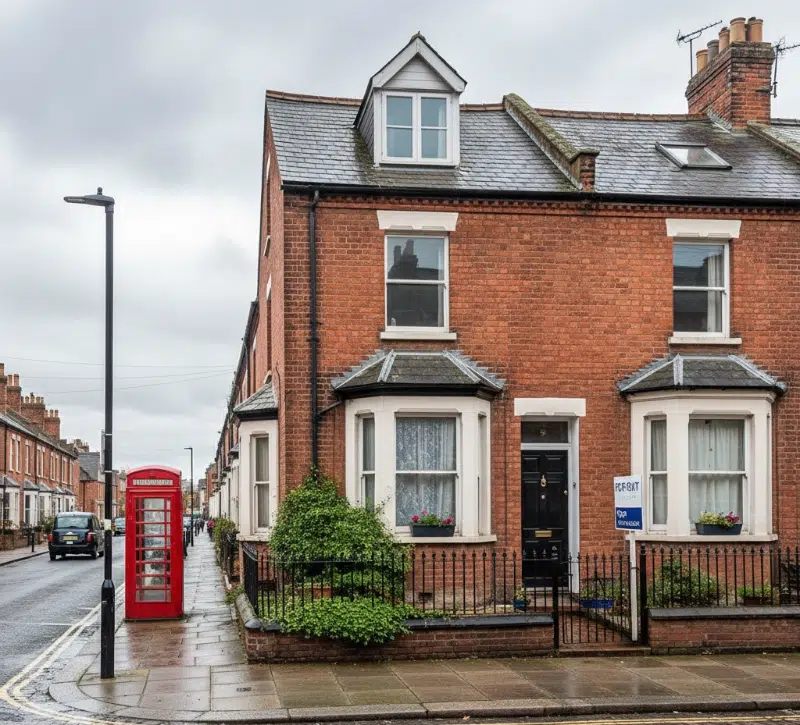
How Much Does Insurance for Rental Property Cost?
There’s no one-size-fits-all price when it comes to rental property insurance. Premiums are calculated based on the specific risks your property carries, and some of those risks may surprise you.
A few of the biggest factors include:
The key takeaway is this: the cost of landlord insurance depends on your specific circumstances, and so does the cost of not having it. For some landlords, cutting corners on cover may save a small amount each year, but the financial hit if something goes wrong could be devastating.
Common Mistakes Landlords Make
Even landlords who understand the importance of insurance can fall into traps that leave them vulnerable. The problem is that these mistakes often don’t come to light until a claim is made, by which point it’s far too late to fix them. Here are some of the most common (and costly) errors:
1. Assuming Home Insurance Is Enough
This is by far the most dangerous misconception. Standard home insurance is not designed for rental properties, and many insurers will refuse to pay out if they find the property is being let to tenants. Landlords who rely on it often only discover the gap in cover after disaster strikes.
2. Not Declaring Tenants
Some landlords are tempted to keep quiet about the fact their property is rented, or about the type of tenants they accept, to keep premiums low. But failing to disclose this information can completely invalidate a policy. In practice, this means paying for insurance that offers no protection at all.
3. Skipping Loss of Rent Cover
It’s easy to assume rent will keep coming in, but properties can become uninhabitable overnight after a fire, flood, or serious damage. Without loss of rent cover, you may still have to make mortgage payments with no income coming in, a financial pressure that can spiral quickly.
4. Shopping on Price Alone
A cheap policy may look appealing, but the exclusions buried in the small print often mean you’re left exposed to the most costly risks. Many landlords only realise how limited their cover is when they try to make a claim, and discover the savings they made upfront now pale in comparison to the losses they face.
Don’t Leave Your Investment Exposed
If you’re a landlord, rental property insurance is not an optional extra, it’s a vital safeguard. Every property brings risks: fire, flood, accidents, and even the behaviour of tenants themselves. Without proper insurance, your investment and financial security are at serious risk.
Don’t wait until disaster strikes to find out you’re underinsured. Take the time to review your coverage now, understand what your policy includes, and make sure you’re properly protected.
Your rental property is more than bricks and mortar, it’s your income, your investment, and your future. Protecting it with the right insurance gives you the peace of mind that your financial security is safeguarded, no matter what happens.


