
You’ve noticed it, that damp patch on the ceiling, the steady drip in the loft, or the musty smell that wasn’t there last week. After weeks of freezing weather, melting ice has finally worked its way through your roof, and now you’re facing water damage, disruption, and the stress of sorting it out.
Snow and ice don’t just look picturesque from the outside, they can quietly wreak havoc on your home. When ice builds up and then thaws, it seeps under tiles, loosens flashing, and finds its way into the very structure of your roof. The result is often a leak that appears suddenly but has been developing for weeks.
In this guide, we’ll explain exactly how snow and ice cause roof leaks, what damage to look for, and how your home insurance, with the expert support of Property Claim Assist, can help you recover properly and secure the payout you deserve.
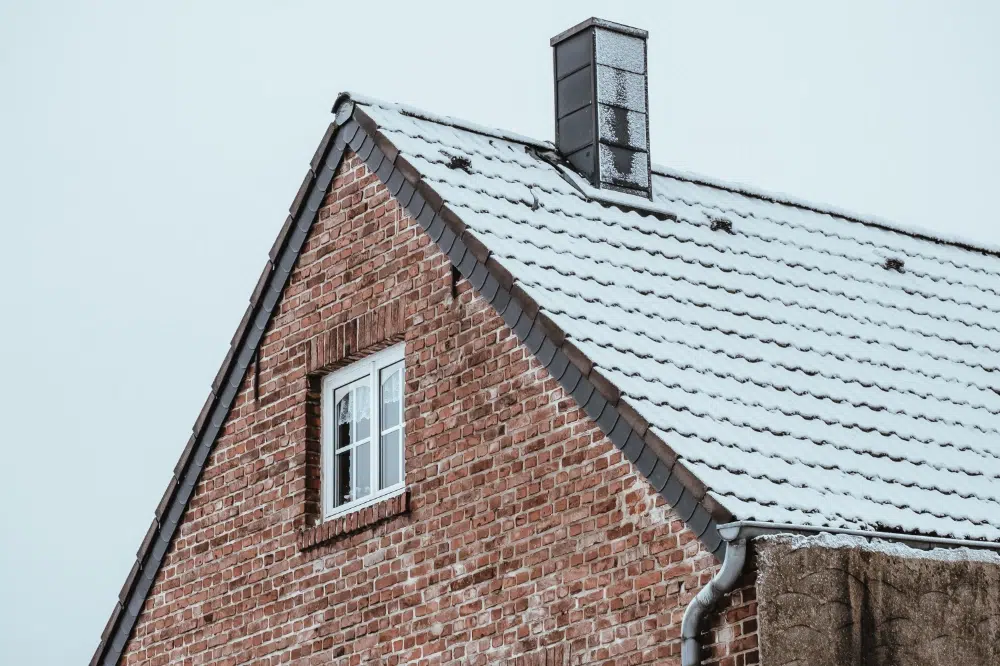
How Snow and Ice Damage Your Roof
When leaks appear after freezing weather, the cause is rarely sudden; it’s the result of weeks of stress from snow and ice working against your roof. Here’s how it typically happens:
1. Heavy Snow and Structural Strain
Snow may seem harmless, but once the snow resting on the entire roof surface compacts or freezes, it becomes incredibly heavy. That weight pushes down on tiles, beams, and fixings, often causing cracks, sagging, or loosened flashing. Even a small shift in structure can open the door for water to get in once the thaw begins.
2. How Ice Dams Form and Lead to Leaks
The biggest winter threat to any roof often starts with ice dam formation. As snow melts and refreezes along colder roof edges, roof ice dams take shape, solid ridges of ice that trap water and stop it from draining away. That trapped water pools on the roof surface and seeps beneath tiles or felt into the structure below. When temperatures rise by day and fall below the freezing point at night, the cycle repeats, quietly causing damage long before leaks appear inside.
3. Gutter and Flashing Weak Points
Frozen gutters and split flashing are another common source of leaks. When ice expands, it forces joints apart and blocks water flow, sending meltwater back into the roofline. Once temperatures rise, this hidden damage quickly turns into visible leaks inside your home.
4. Flat Roofs, The Silent Risk
Flat or low-pitched roofs take the brunt of snow and ice when winter hits, because water has nowhere to drain. When that trapped ice melts, it seeps through even the smallest crack or seam, spreading damage fast across ceilings and walls below.
Signs of Snow or Ice Damage on Your Roof
- Thick ridges of ice or heavy icicles forming along gutters or roof edges
- Damp patches or drips appearing on ceilings or in the loft
- Roof timbers that creak, sag, or show signs of strain
- Missing, cracked, or lifted tiles and slates
- Gutters or downpipes blocked or frozen solid
- Brown stains or water marks appearing after a thaw
If you notice any of these warning signs, don’t ignore them; acting quickly can prevent a small issue from turning into major water damage.

How to Respond When Ice or Snow Damages Your Roof
If your roof is already leaking or showing signs of damage after snow or ice, don’t panic, but do act quickly. The faster you contain the problem and document what’s happened, the easier it will be to repair the damage and prevent it from spreading. Here’s what to do:
1. Stay Safe and Don’t Climb on the Roof
First things first: avoid the temptation to inspect the roof yourself. Ice, snow, and wet tiles make surfaces extremely slippery and dangerous. Keep clear of ladders and roof edges, especially during freezing conditions. Your focus should be on what you can safely see from the ground or inside your home.
2. Contain the Leak Indoors
If water is already coming through the ceiling, place a bucket or container underneath to catch drips. Move any furniture, electronics, or valuables out of the way and protect the area with plastic sheeting or old towels.
If the ceiling is bulging with trapped water, carefully pierce a small hole in the lowest point with a screwdriver to let it drain in a controlled way; this can prevent the ceiling from collapsing under the weight.
3. Identify the Source, As Best You Can
You don’t need to climb onto the roof to get a sense of what’s happening. From inside, check your loft for damp insulation, wet rafters, or dripping joints. Outside, look for obvious warning signs: heavy icicles, sagging gutters, missing tiles, or thick ice ridges along the eaves.
Even if you can’t pinpoint the exact entry point, noting what you see now will help professionals diagnose the problem later.
4. Document Everything
Take clear photos or videos of the leak, the affected rooms, and any visible damage outside. Capture timestamps if possible; insurers and contractors will often ask for this evidence to show when the damage occurred.
Keep a short written record too: when the leak started, where you noticed it, and any changes over time.
5. Limit Further Water Entry
If conditions allow and it’s safe to do so, you can try to minimise further water ingress. That might mean clearing snow gently from blocked gutters using a broom handle from the ground, or placing a tarp in the loft to catch dripping water before it spreads.
Never try to remove ice dams yourself or climb onto the roof, this can cause more damage or serious injury. Always leave that job to a professional who has the right tools and safety equipment.
6. Call a Roofing Professional
Once the weather allows, contact a qualified roofing contractor to carry out a roof inspection and temporary repair if needed. They can safely remove ice build-up, identify damaged areas, and advise what repairs are necessary to make the roof watertight again.
If you can, choose a contractor with experience in winter-related roof issues, they’ll know what to look for beyond the obvious damage.
7. Dry and Ventilate Affected Areas
After stopping the immediate leak, focus on drying your home. Use fans, open windows when possible, and run dehumidifiers to reduce moisture in ceilings and walls. The quicker the area dries, the less chance you have of mould, staining, or long-term structural issues.
8. Keep All Invoices and Reports
Any inspection reports, temporary repair receipts, or professional assessments should be kept safe, they’ll be valuable for future insurance claims and ensuring all costs are properly recorded.
9. Monitor for Ongoing Problems
Even after a repair, continue to check the affected area for a few weeks. Discolouration, new damp patches, or musty smells can indicate hidden moisture or a secondary leak that needs attention.
When It’s Too Late, The Impact of Leaks and Water Damage
If you’re already seeing water coming through your ceiling or damp patches spreading across the walls, it means the damage has started to take hold. Once melting snow or ice finds a way into your roof, it rarely stays contained, it spreads fast and quietly.
Wet insulation loses its effectiveness and traps moisture, creating the perfect environment for mould and decay. Ceilings and walls absorb water like a sponge, leading to stains, warped plaster, and peeling paint. Timber joists can swell, weaken, and eventually compromise the structure of your home.
Even small leaks can leave behind hidden damage that gets worse over time. That’s why quick action, and proper documentation, matters as much as the repair itself.
In most cases, leaks caused by snow or ice are covered by your home insurance policy, but proving the cause and getting the full cost of the repair recognised can be challenging. Understanding how to record the damage, report it correctly, and push for a fair outcome will make all the difference to how smoothly the recovery process goes.

Insurance Claims and How Property Claim Assist Can Help
Once the damage has happened, the next challenge is often the insurance claim itself. The process can be confusing, time-consuming, and full of technical wording that makes it difficult to know what you’re truly entitled to.
That’s where Property Claim Assist come in, your independent loss assessors who work on your behalf, not the insurer’s. Here’s how they help:
Experts in Navigating Complex Insurance Policies
- Every insurance policy defines “storm”, “escape of water”, or “ice damage” differently, and these details can make or break a claim.
- Property Claim Assist interprets your policy wording and makes sure your snow or ice damage is properly recognised and covered.
- They build a clear, evidence-backed case to ensure your insurer can’t downplay or deny your claim.
Accurate Assessment and Evidence Gathering
- PCA handle the documentation from start to finish, taking detailed photos, collecting expert reports, and itemising every part of the damage.
- This ensures your claim is presented professionally and fully supported, reducing the chance of disputes or delays.
- They remove the stress of paperwork so you can focus on getting your home back in order.
Representing You, Not the Insurer
- Your insurer will send their own loss adjuster to assess the damage, but that person works for them, not for you.
- Property Claim Assist acts as your independent loss assessor, representing your interests at every stage.
- They negotiate directly with the insurer to secure the outcome that’s fair, not the one that’s cheapest.
Maximising Your Settlement
- Ice and snow damage can affect far more than just the roof, from insulation and timbers to ceilings, flooring, and décor.
- PCA ensure every aspect of the loss is accounted for in your claim, not just the obvious surface repairs.
- The result: a full and fair payout that actually covers the true cost of restoring your home.
Managing the Process from Start to Finish
- Property Claim Assist coordinates everything, from dealing with insurers and their adjusters to managing contractors and repairs.
- They make sure the work carried out meets professional standards and that you’re kept informed at every stage.
- Their goal is to make the entire process as smooth and stress-free as possible, while ensuring you receive the settlement you deserve.
If your roof has been damaged by snow or ice, Property Claim Assist can take control of the process, protect your interests, and help you secure the outcome you’re entitled to.
They’re not just there to help with claims; they’re there to make sure your home is properly restored.
Next Steps If You’re Dealing with Ice or Snow Damage
If your roof has started leaking or showing signs of damage, time is everything. Here’s what to do next:
- Act Fast – Don’t wait for the weather to improve. Contain any leaks, move belongings out of harm’s way, and prevent further water from spreading. Every hour can make a difference.
- Document the Damage – Take clear photos and videos of everything: the leak, ceiling stains, icicles, roof edges, and any visible ice build-up. The more evidence you have now, the smoother your claim will go later.
- Notify Your Insurer – Report the issue as soon as possible. Provide basic details about when it started and what damage you can see, but avoid speculating about the cause until it’s properly assessed.
- Get Professional Help – Arrange for a qualified roofing contractor to get your roof inspected safely. Their report can confirm how the damage occurred and support your insurance claim.
- Seek Expert Claim Support – If the damage is significant or you’re unsure about your insurer’s response, contact Property Claim Assist. As independent loss assessors, they can handle the process for you and make sure your claim reflects the true cost of repair.
Getting Your Home Back to Normal After Ice or Snow Damage
Dealing with roof damage from snow or ice is stressful, especially when water starts finding its way inside. What begins as a small patch on the ceiling can quickly turn into structural damage, ruined décor, and the worry of mounting repair costs.
By understanding how winter weather causes leaks and knowing what steps to take, you can limit the damage and get back on track faster. But when it comes to your insurance claim, the right support makes all the difference.
Property Claim Assist are here to take the pressure off. Their team of independent loss assessors will handle the claim from start to finish, assessing the damage, dealing directly with your insurer, and securing the payout needed to restore your home properly.
If you’re currently dealing with roof leaks or water damage caused by snow or ice, contact Property Claim Assist today to get expert help with your insurance claim and make sure your home is fully repaired, the right way.


