
Most homeowners and landlords in the UK believe they’re protected by their standard home or landlord insurance.
But what many don’t realise is that the moment a property is left empty for just 30 days, that protection often vanishes.
Think about it: an unoccupied house is a sitting target. Burglars, vandals, squatters, storms, burst pipes, without anyone there to notice the problem, small issues can spiral into devastating losses.
Worse still, many insurers will refuse to pay out if the property has been left unoccupied without the correct cover.
That’s why empty property insurance isn’t optional. It’s essential.
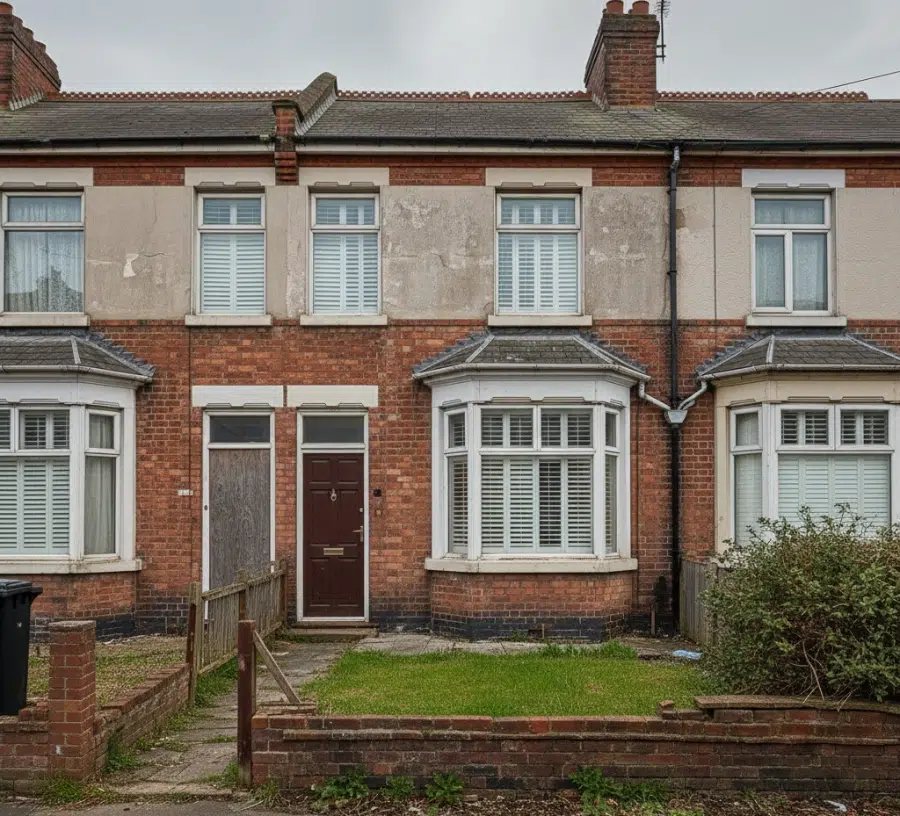
What Is Empty Property Insurance?
Empty property insurance (sometimes called unoccupied property insurance) is designed to fill the dangerous gap left when a home is unoccupied. Once a property has been empty for more than 30 consecutive days, standard insurance policies usually stop covering key risks.
Why? Because insurers know the risks skyrocket when no one is living in a home:
- Thieves notice quickly when a property is empty.
- Vandals and squatters target neglected homes.
- Burst pipes or electrical faults can go unchecked for weeks.
- Even a loose roof tile can cause injury, leaving you personally liable.
Without specialist cover, you may find yourself financially exposed just when you need help
When Are You at Risk?
You might think this won’t apply to you, but empty property insurance is needed more often than many realise. Here are the most common scenarios where your property could be dangerously exposed:
Between House Moves
Property chains in the UK are notoriously unpredictable. You may have already moved out of one home, but delays can leave your old property standing empty for weeks or even months. During that time, your standard home insurance may have already lapsed, leaving you exposed to theft, vandalism, or weather damage.
During Renovations
If you’re carrying out major refurbishments, your property may be uninhabitable, with no one living there full-time. Builders and contractors coming and going can also increase risks, from accidental damage to opportunistic theft of tools and materials. Insurers recognise this and often exclude cover unless you have unoccupied property insurance in place.
Landlord Void Periods
Every landlord faces gaps between tenancies. But even a short void can be enough to invalidate your standard landlord insurance. An empty rental property is a magnet for vandals and squatters, and damage from problems like leaks or electrical faults can go unnoticed without tenants there to report them.
Inheritance and Probate
When someone passes away, their property may stand empty for months while probate is finalised. Executors have a legal duty to safeguard the estate, which includes making sure the property is adequately insured. Failing to do so could put the estate, and the executor personally, at financial risk if something goes wrong.
Extended Travel or Work Abroad
Whether it’s a career move overseas, a sabbatical, or an extended holiday, being away for more than 30 days could leave your home uninsured. Many homeowners assume, “I’m only away for a couple of months, it’ll be fine”, but insurers often won’t pay out on claims if you haven’t disclosed that the property is unoccupied.
Second Homes and Holiday Properties
Second homes are especially vulnerable. Whether it’s a countryside retreat or a holiday home by the coast, these properties often sit empty for long stretches of the year. Insurers know opportunists can easily spot an unused property, and without unoccupied property insurance, you could be left with no protection at all.

What Does It Cover?
Empty property insurance is a form of tailored insurance that can provide the kind of protection your standard policy won’t., Typical unoccupied home insurance cover in the UK includes:
- Buildings cover – shielding you from catastrophic damage caused by fire, flooding, storms, vandalism, attempted theft or subsidence. This ensures that the structure of your home, walls, roof, fixtures and fittings is protected from some of the most expensive types of damage a property can suffer.
- Contents cover – protecting any items left inside the property, from furniture and appliances to carpets and curtains. Even if you’ve cleared most belongings out, thieves or vandals can still cause costly destruction, making this a vital layer of security.
- Liability insurance – covering legal costs and compensation if someone is injured on your property or if damage spreads to a neighbouring home. For example, if a loose roof tile injures a passerby, liability cover can prevent you from facing a financially crippling claim.
- Legal expenses – useful for dealing with complex issues such as evicting squatters, settling disputes, or pursuing recovery action after damage. These situations can quickly spiral into drawn-out, costly battles without the right protection in place.
With the right cover in place, you’ll have peace of mind that your property is safeguarded against the risks that standard policies simply don’t recognise once a home is left empty. Unoccupied home insurance isn’t just about protecting bricks and mortar, it’s about ensuring you’re not left carrying the financial and legal burden when the unexpected happens.
The Strict Conditions You Must Follow
Insurers don’t hand out this protection lightly. To keep your empty property insurance valid, you’ll often be required to meet strict conditions. These are designed to reduce the heightened risks of an unoccupied home:
Regular Property Inspections
Most insurers will expect you to check the property regularly, sometimes as often as every 7 days. The purpose is to spot problems early, whether that’s a leak, signs of forced entry, or damage caused by storms. Some insurers will even require written logs or reports as evidence that inspections have been carried out, so it’s not something to take lightly.
Water System Precautions
Unattended properties are highly vulnerable to burst pipes, particularly in the UK’s colder months. To reduce the risk, insurers may insist that you either drain down the water systems completely or maintain a minimum heating temperature (often around 12–15°C). Failure to do so could leave you with a huge repair bill that your policy won’t cover.
Securing the Property
Insurers will also expect you to keep the home secure. This goes beyond locking doors and windows, it may include installing intruder alarms, using robust locks, and making sure the property looks lived-in from the outside. Maintaining gardens, clearing post, and ensuring there are no obvious signs of vacancy can help deter opportunists and reduce the risk of break-ins or squatting.
How Much Does It Cost?
Compared to the devastating expense of an uninsured disaster, unoccupied home insurance is a relatively modest outlay. Premiums will vary depending on your property’s size, location, and how long it will remain empty, but typical UK unoccupied home insurance costs look like this:
- Around £160 for short periods (up to 30 days) – This is often suitable if you’re between house moves or only away briefly. Even so, a single burglary or incident of vandalism during that time could cost far more than the premium.
- Around £180–£200 for 30–60 days – Ideal for situations like probate delays, extended travel, or short renovation projects. These periods are long enough to leave your property noticeably unoccupied, which is when the risks of theft, burst pipes, and storm damage increase sharply.
- £240–£300+ for longer periods, such as six months – Longer-term cover is usually needed for bigger renovation projects, lengthy void periods for landlords, or second homes. While the premiums rise, they are still a fraction of what you could lose if disaster strikes without standard cover.
Yes, the premiums may feel like just another household expense, but the financial impact of going without could be devastating. A burst pipe over winter can cost tens of thousands of pounds to repair. A vandalised or squatted property can rack up legal bills, clean-up costs, and lost rental income. In comparison, the price of an empty home insurance policy is a small investment in peace of mind.
Why You Can’t Risk Going Without It
Picture this:
- A cold snap causes your pipes to freeze and burst. Water pours through ceilings for days before anyone notices. The bill? £20,000+.
- Vandals smash their way in and strip out copper wiring and pipes. Repairs run into thousands, and your insurer refuses to pay a penny.
- A falling roof tile injures a passer-by. Without liability cover, you could face a lawsuit costing more than the property itself.
These aren’t scare stories. They’re real situations UK homeowners and landlords face every year, and without vacant property insurance, you’ll be left carrying the full cost.
Frequently Asked Questions
No, it isn’t a legal requirement, but most standard insurers will not cover properties left unoccupied for more than 30 days. Without specialist cover, you could be left exposed.
Yes, many insurers offer flexible policies starting from 30 days, with options for 3, 6, or 12 months depending on your needs.
If you fail to disclose that your property is unoccupied, your insurer could reject any claim you make. This could leave you personally liable for damages or repairs.
Some policies include legal expenses to help remove squatters. Always check the small print, as this cover isn’t guaranteed with every provider.
Yes, if your property is unfurnished, many insurers will let you take out buildings only cover rather than full unoccupied home insurance. This protects the structure of the home but won’t cover any contents left inside.
Safeguard Your Property Before It’s Too Late
Empty property insurance isn’t a “nice-to-have.” It’s the only way to protect yourself against the harsh realities of leaving a home unoccupied. Whether you’re a homeowner, a landlord, or an executor, leaving a property empty without the right cover is one of the riskiest financial decisions you can make.
Don’t leave it to chance. Make sure you understand your responsibilities, meet insurer requirements, and secure the protection that keeps you safe from devastating losses.


