
Illegal activity, especially in leased commercial units, presents a complex challenge for landlords—and for their insurance claims. One growing concern is the covert cultivation of cannabis within rental premises, often without the landlord’s knowledge. Although more commercial property insurance policies now recognise how often these cases occur, most insurers still take a hard stance. Navigating claims related to illegal activity remains difficult, and insurers typically deny them unless the policyholder proves they met very specific obligations.
How Insurers Handle Illegal Activity
In general, commercial property insurance policies exclude cover for damage that results from illegal activity. Insurers define this to include criminal enterprises, wilful or reckless behaviour, and illegal acts carried out on the premises. Most policies start with these exclusions as their default foundation, giving insurers a clear route to deny claims linked to high-risk or unlawful circumstances, such as cannabis farms.
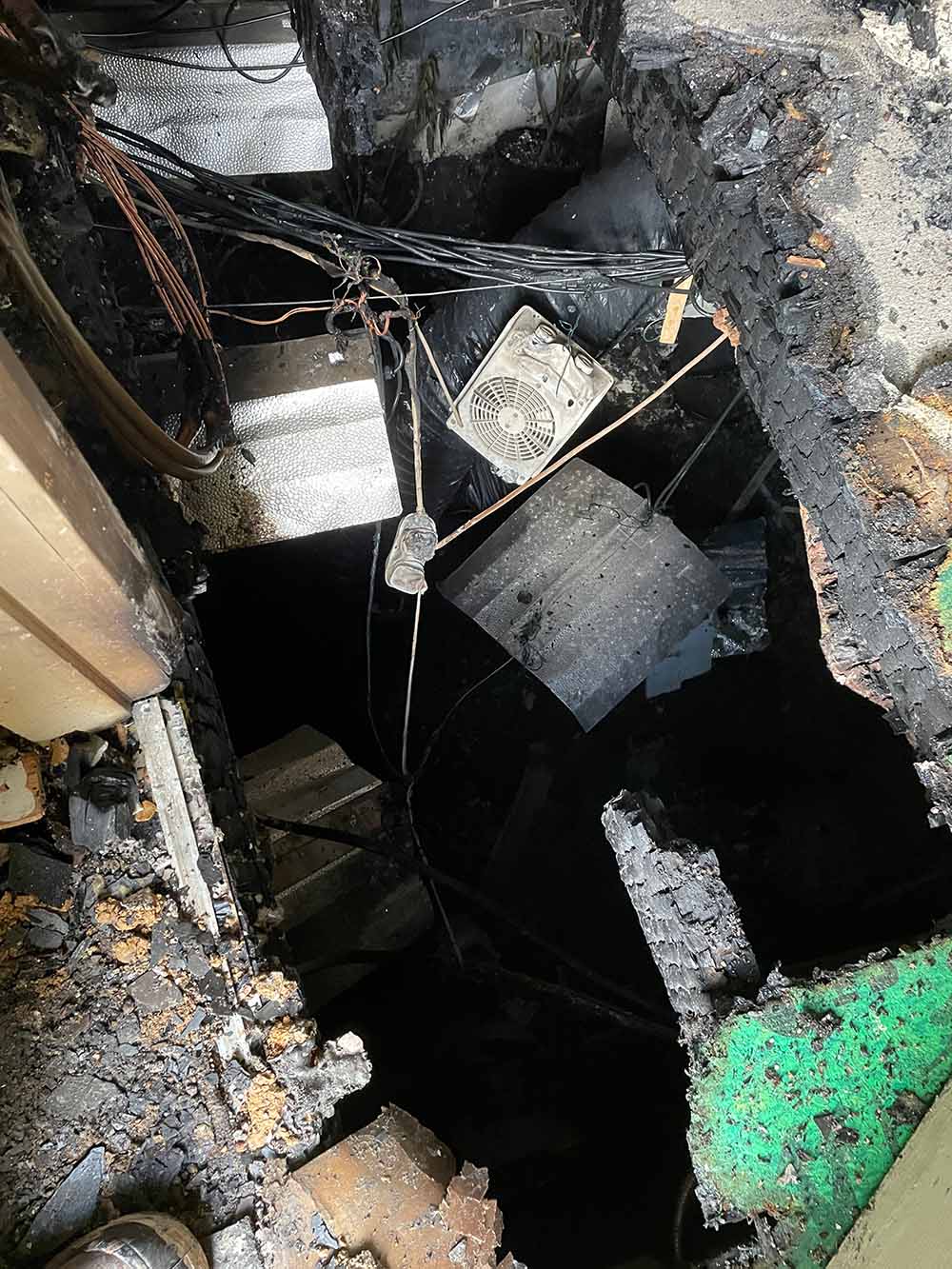
However, in recognition of how frequently these situations now arise—particularly in the buy-to-let commercial market—many insurers have started to introduce special clauses or contingencies. These policy additions are most often seen in landlord insurance products and typically cover very limited scenarios, provided the landlord can meet certain conditions.
Policy Clauses for Illegal Cannabis Cultivation
Some insurers now offer optional endorsements or policy extensions that provide restricted protection in the event of illegal cannabis cultivation. These clauses specify conditions clearly, often apply only when the landlord remains unaware of the illegal activity, and usually cap coverage at modest financial limits. Crucially, the cover is conditional.
To access even this limited protection, the landlord must be able to demonstrate that the damage was clearly malicious rather than accidental or negligent, and that the tenant misrepresented their intentions when entering the lease. In other words, if the landlord showed any indication of criminal activity and failed to act—or did not manage the property properly—insurers will likely decline the claim.
Meeting the Conditions for a Successful Claim
Where a policy does include limited protection for damage related to illegal activity, insurers generally impose strict conditions. These requirements are designed to ensure the landlord was actively managing the property and not simply turning a blind eye. Common expectations include:
If a landlord fails to provide proof of these efforts, the claim is likely to be denied—even if the policy technically includes cover for illegal activity.
What Insurers Usually Cover—And What They Don’t
Insurers rarely grant comprehensive cover. Most policies only extend to certain types of physical damage. Here’s what you might be covered for:
Typically Covered:
Not Covered:
Importantly, insurers often cap even valid claims at relatively low limits, which may not reflect the true cost of repair or reinstatement. These limits make it essential for landlords to understand the details of their policy and avoid relying on it as a full safety net.
The Importance of Landlord Due Diligence
Insurers expect landlords to take an active role in managing their properties. If the insurer determines that the landlord knew—or reasonably should have known—about the illegal activity, they will almost certainly reject the claim. Warning signs such as tampered electricity meters, consistently obscured windows, or poor access to the property can all count against the landlord if ignored.
Regular inspections, backed by photographic and written records, are often required by policy terms. A landlord who fails to conduct these inspections, or who doesn’t act upon red flags, risks being found negligent. Even when the landlord is not directly involved in the illegal activity, a lack of documented oversight can be just as damaging to the outcome of a claim.
What Landlords Should Be Doing | Due Diligence Checklist
To reduce the risk of exposure and to maximise the chance of a successful claim, landlords need to follow a clear due diligence process. This includes:
Tenant Screening
Documentation
Property Inspections
Action Plan
When the Law Sides with Insurers
Courts in the UK have generally ruled in favour of insurers when landlords have failed to meet their responsibilities. A notable example is Mohammed v. Allianz Insurance plc [2019], where the court upheld the insurer’s refusal to pay out. In this case, the landlord had not inspected the premises for over a year despite visible warning signs. This legal precedent underlines the importance of proactive property management and ongoing vigilance.
Final Thoughts from Tom Butcher, Director at Property Claim Assist


